Health App Case Study
This case study explores the development of a health app from concept to production in just six weeks. It highlights the key stages of design, user experience, and functionality, demonstrating the effectiveness of agile methodologies in rapid app development. (2020)
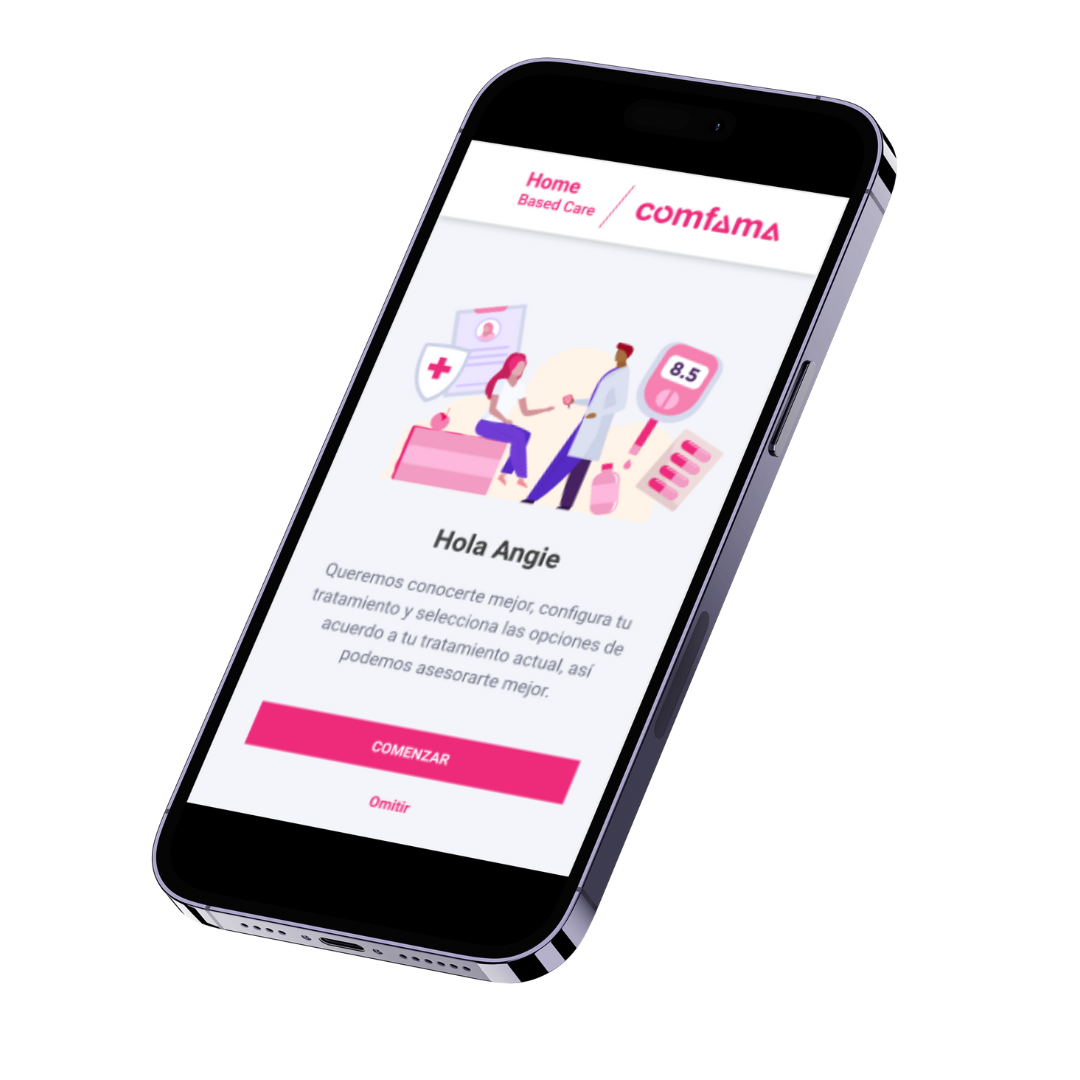
Client: Comfama
Role: Product Consultant
Proyect type: app
Duration: six weeks

About the Project:
Comfama, a compensation fund based in Antioquia, Colombia, approached us during the pandemic to develop an app for remote monitoring of a high-risk group: diabetics.
The app’s goal was to validate a new service model’s value to users, with an eye on future evolution. Faced with the pandemic’s urgency, we had less than two months to launch the app to secure the necessary funding.
This tight deadline set the stage for our rapid development journey.
Project Goal
Create an MVP in two months to serve patients with diabetes in Antioquia and validate the service model to continue with a controlled scaling based on feedback from end users
My role
As a Prodcut Consultant, I played an integral role throughout the project, from defining the MVP to the final production stage. My key responsibilities included:
Definition of objective and scope: support the client in the correct definition of these items
Workshop Facilitation: Guiding the team through brainstorming and design sessions.
Experience Validation: Ensuring the design met user needs and expectations.
Art Direction: Overseeing the visual aspects to align with the project’s goals.
The team for this project was made up of 7 roles, each one with a specialization that adds value to the objective of the project: Team Lead, Product Consultant, UI designer, Frontend, 2 backend, Infrastructure Architect.
This is how we solved it
To tackle this project, we adopted a methodology entailing two workshops per week, transitioning to daily follow-up meetings with Comfama’s stakeholder team in the final two weeks, all conducted online.
We integrated methods from Design Sprint, Design Thinking, Lean UX, and agile frameworks to effectively meet our deadline.
The project demanded the full-time commitment of five Comfama staff members, plus seven others who joined for specific workshops.
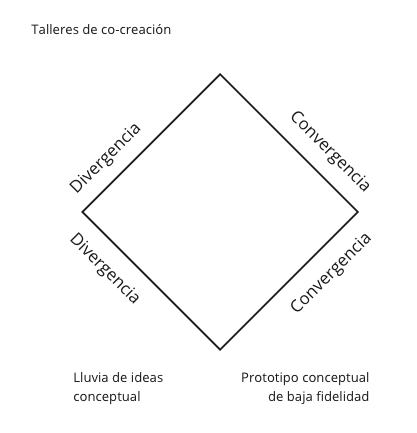
Each 4-hour workshop followed a ‘simple diamond’ approach: starting with a brainstorming session for idea divergence and concluding with convergence on low-fidelity wireframes.
Numbers generated in a work month
Defining a clear direction
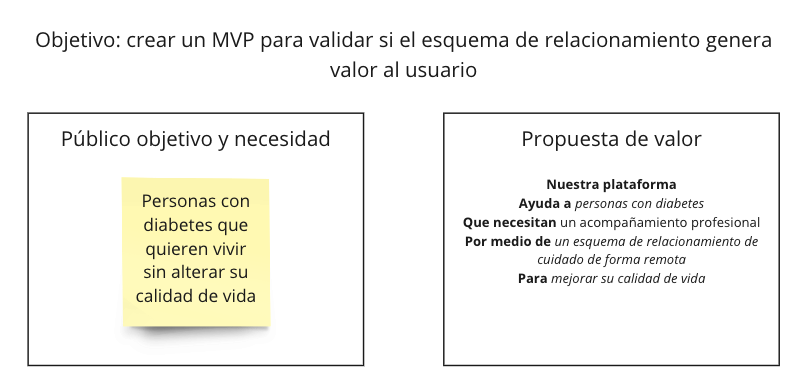
Considering the project’s complexity and tight timeline, the kick off was centered on defining the project’s scope and determining the MVP (Minimum Viable Product)
Defining the vision and focus of the app
With the limited time frame, it was crucial to precisely identify the target users of the app and their specific needs. This clarity guided us in focusing and prioritizing features for the MVP.
Definition of MVP
Each workshop concluded with a brainstorming session, the results of which were mapped onto a digital Miro board. This served as our feature repository for creating wireframes at the end of each session.
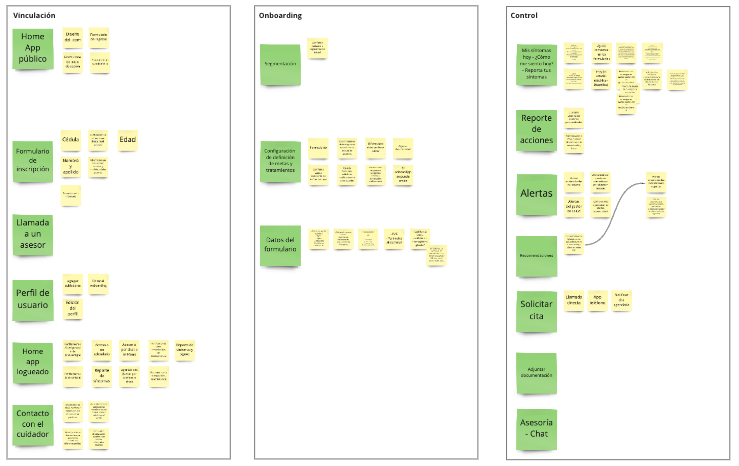
Divergence: brainstorming - Convergence: wireframes
All workshops followed a model of divergence and convergence. Initially, we diverged with open brainstorming sessions where participants contributed ideas addressing user and business problems.
This was followed by a convergence phase, selecting the most viable ideas to be incorporated into wireframes. Each workshop concluded with a set of low-fidelity wireframes, which were then handed over to the UI designer for interface development and review in subsequent sessions.
Wireframes generated at the end of each workshop
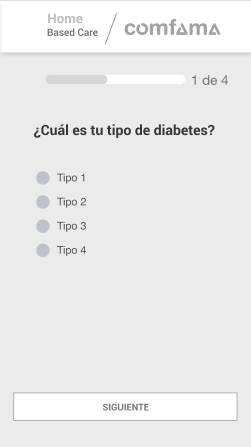
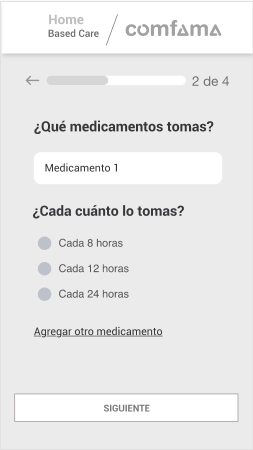
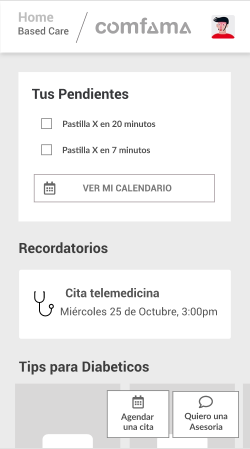
Screens completed and approved in just 2 days
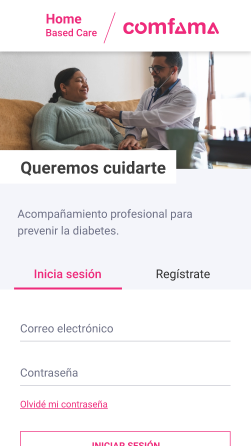
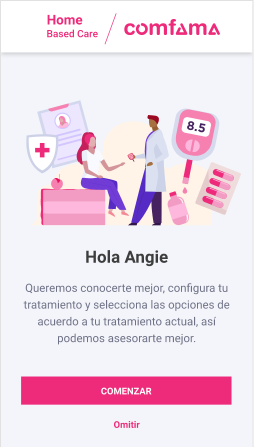
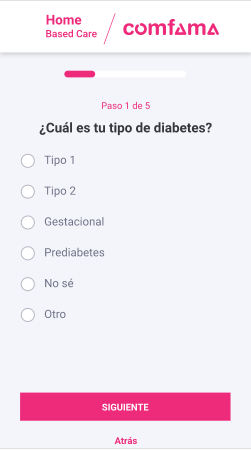
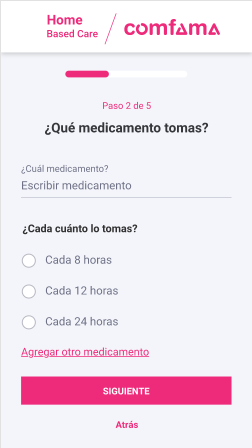
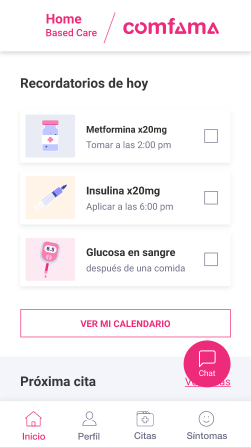
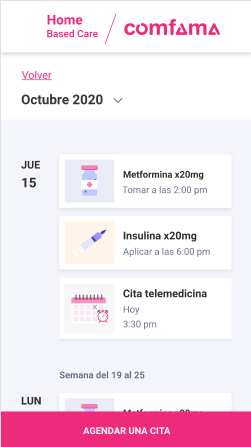
Leveraging our effective methodology, we began each workshop by reviewing screens with the UI design based on the previous session’s wireframes. Necessary revisions were made promptly, allowing for team consensus to proceed with development. This streamlined approach enabled us to have up to six screens approved weekly, ensuring swift progress for the front-end implementation team.
New UI
Learnings
This project reinforced the idea that a dedicated team, combined with clear and well-defined goals, can successfully deliver fully functional projects within tight timeframes.
- Agile Methodology Importance: Agility and flexibility in the design and development process are crucial for meeting tight deadlines.
- Effective Collaboration: Close collaboration among all team members, including stakeholders, is essential for rapid project success.
- Feature Prioritization: The ability to identify and prioritize key features for the MVP is vital for maintaining focus and efficiency.
- Continuous Review and Feedback: Review and feedback sessions at the end of each workshop enable rapid iterations and constant improvements.
- Adaptability: Being able to quickly adapt to changes and new insights is fundamental in accelerated development environments.
Work With Me
If you liked what you saw and want to enhance your digital products, don’t hesitate to message me on WhatsApp.